Embarking on your first Labuan Bajo liveaboard adventure requires careful planning to maximise your experience. This guide provides essential 2027 facts on seasonal timing, pricing, and what to expect, ensuring a smooth and enjoyable journey through Komodo National Park’s remarkable waters, prioritise stable weather or peak manta encounters.
Understanding the Labuan Bajo Liveaboard Experience
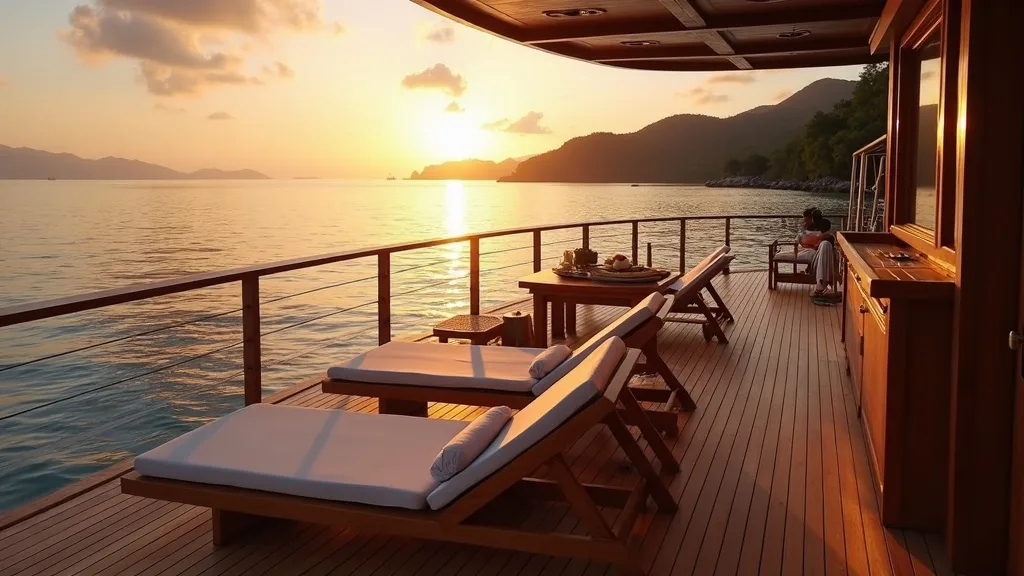
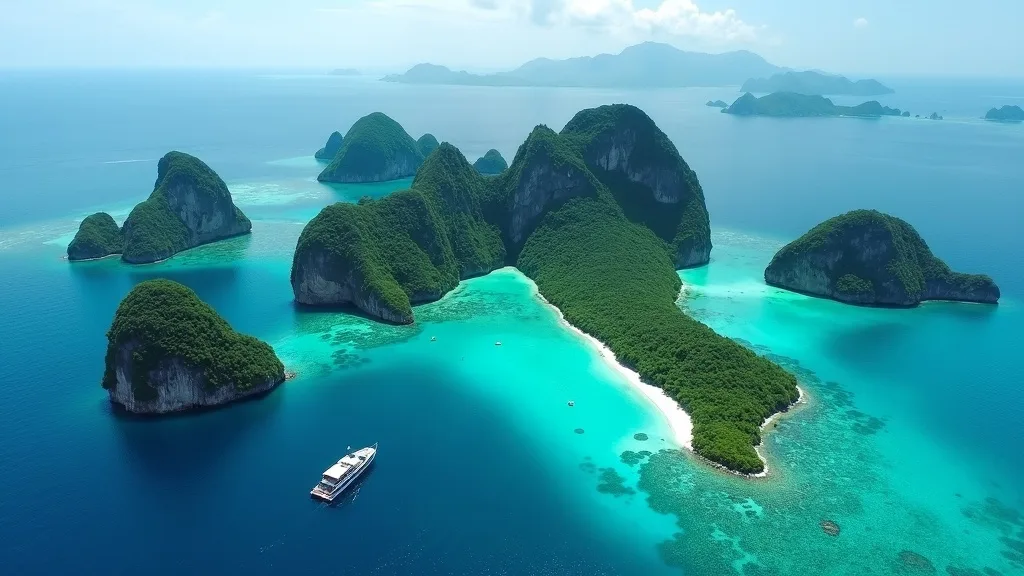
A liveaboard journey from Labuan Bajo is the definitive way to explore Komodo National Park. Unlike day trips, these multi-day excursions allow you to reach more remote dive and snorkel sites, often arriving before the crowds. From the moment you step aboard, your accommodation, meals, and often your diving or snorkelling activities are meticulously arranged. This comprehensive approach means you spend less time on logistics and more time immersed in the marine environment.
For first-timers, the sheer volume of options can be daunting. It is crucial to consider your priorities: marine life encounters, photographic opportunities, comfort levels, and, of course, budget. Each factor will guide your choice of vessel and seasonal timing.
Choosing Your Ideal Season: 2027 Insights
The timing of your Labuan Bajo liveaboard significantly influences your experience. Understanding the seasonal variations in weather, visibility, and marine life activity is paramount. Here’s a breakdown for 2027:
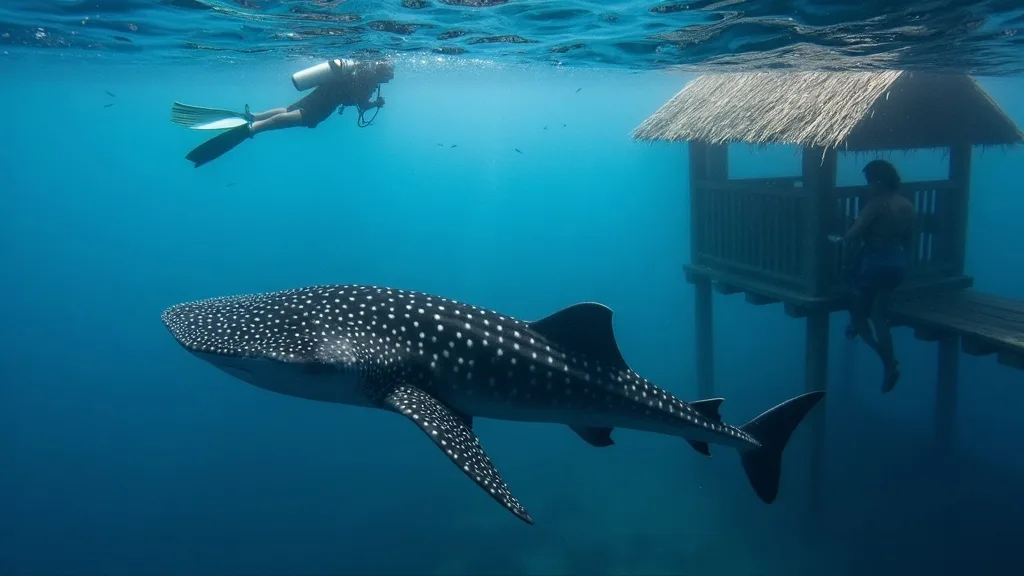
- High Season (May – September): This period is generally considered the best for stable weather and excellent visibility, often reaching 20m–30m. Surface conditions are typically calm, making for comfortable cruising and diving. Expect frequent Manta Ray sightings, particularly along the Central Route. However, demand is high, leading to peak rates. Booking 6–9 months in advance is essential. Note that July and August can bring stronger winds, causing some mantas to dive deeper, though a resident population remains active.
- Shoulder Season (April, October): Offering a compelling balance, the shoulder months provide good sea conditions and visibility, frequently exceeding 20m. These periods are ideal for those seeking value, with 15–25% discounts often available compared to high season. Booking 3–4 months in advance is advisable. Photographers often favour these months for their excellent water clarity without the absolute peak season crowds.
- Low Season (January – March): This is the wet season, characterised by warmer water (28–30°C) and reduced visibility (10–20m). While conditions are less predictable, this period offers peak Manta Ray encounters, particularly in the Southern region of the park during January and February. Prices are at their lowest, but some trips may be limited due to weather. Be prepared for strong, unpredictable currents and potential ‘negative entries’ for divers, requiring a degree of experience.
Deciphering Pricing Tiers for 2027
Liveaboard pricing varies substantially, reflecting the level of comfort, service, and exclusivity. For 2027, here’s what you can anticipate for a typical 4-day, 3-night trip:
| Tier | Price Per Night | Total Trip (4D3N) | Best Timing | Key Features |
|---|---|---|---|---|
| Budget | USD 150 – 250 | USD 600 – 1,000 | Apr–Jun, Sep–Nov | Shared cabins, basic bathrooms, functional diving |
| Mid-Range | USD 220 – 550 | USD 1,000 – 1,600 | May – Sep | Private cabins, good visibility, frequent Manta sightings |
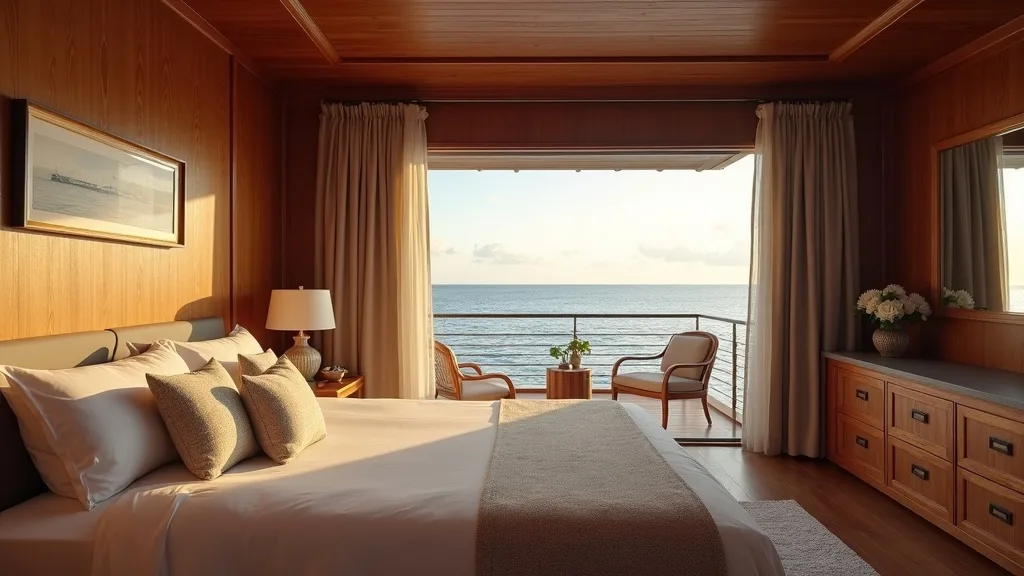
| Luxury | USD 400 – 600+ | USD 1,500 – 3,500+ | May – Sep | Private suites, gourmet dining, low diver-to-guide ratio |
| Ultra-Luxury | USD 900+ | USD 7,300+ (11N) | Dec (Manta Peak) | Suites like on Dive Damai I, exclusive itineraries |
2027 Note: Ultra-Luxury options, such as an 11-night trip on Dive Damai I, are typically priced significantly higher due to extended itineraries and exceptional service standards. While December is noted for Manta Peak, it’s also on the cusp of the low season, so assess specific vessel itineraries and their comfort in potentially choppier conditions if opting for this period at the highest tier.
Booking Your Adventure
Given the popularity of Komodo, particularly during the high and shoulder seasons, early booking is not merely recommended; it is essential. For high season (May–September), aim to book 6–9 months in advance. Shoulder season trips (April, October) can typically be secured 3–4 months ahead. Last-minute bookings are rarely possible for quality vessels during peak periods. Researching specific itineraries and vessel reputations is also key; the right liveaboard labuan bajo experience should align with your expectations for comfort, diving, and overall service.
What to Pack and Prepare
While most liveaboards provide diving or snorkelling gear, it’s always wise to confirm what’s included. Beyond that, consider:
- Sun Protection: High-SPF sunscreen, wide-brimmed hat, and UV-protective clothing are crucial under the equatorial sun.
- Swimwear: Multiple sets for daily use.
- Light Clothing: Quick-drying shorts, t-shirts, and sarongs are practical.
- Personal Toiletries: Though some vessels provide them, bringing your preferred items is sensible.
- Motion Sickness Medication: Even in calm conditions, some individuals are susceptible.
- Travel Insurance: Absolutely non-negotiable, covering medical emergencies and diving-related incidents.
- Proof of Dive Certification: Essential for all certified divers.
- Underwater Camera: To capture the astounding marine life.
- Cash: For onboard purchases, tips, and any park fees not included in your package.
Remember that space on a liveaboard is finite, so pack efficiently. Soft-sided luggage is generally preferred over rigid suitcases.
Safety and Etiquette on Board
Liveaboards operate with strict safety protocols. Always attend the initial safety briefing, pay attention to the crew’s instructions, and respect the marine environment. Do not touch coral or marine life, and ensure proper buoyancy control while diving. Tipping the crew is customary and appreciated; a general guideline is 5-10% of the trip cost, distributed among the crew at the end of the journey.
FAQ
What is the best time for a first-time Labuan Bajo liveaboard in 2027?
For first-timers prioritising stable weather, good visibility (20-30m), and comfortable conditions, May to September (High Season) is ideal. If seeking a balance of good conditions and better pricing, April or October (Shoulder Season) are excellent alternatives.
Do I need to be an experienced diver for a Komodo liveaboard?
While some sites in Komodo National Park can have strong currents, many liveaboards cater to various experience levels, offering guided dives suitable for Open Water certified divers. However, it’s advisable to have some recent diving experience for comfort. Snorkelling options are available for non-divers.
What is typically included in a Labuan Bajo liveaboard price?
Most liveaboard prices include accommodation, all meals, snacks, drinking water, tea, coffee, and guided diving or snorkelling activities. Exclusions often include national park fees, equipment rental (unless specified), alcoholic beverages, soft drinks, and crew tips. Always verify the precise inclusions with your chosen operator.